

Today, AI vs Data science career are the two fastest-growing career paths in the global technology industry. The former centers on building intelligent systems with autonomous perception and decision-making capabilities, while the latter focuses on extracting actionable, implementable business value from massive volumes of data. Both fields carry highly favorable attributes: they offer generous salaries and broad scope for career development. AI is well-suited for people interested in algorithmic modeling, while data science fits individuals passionate about data insights. To enter either field, beginners must master two universal core skills: Python and SQL.
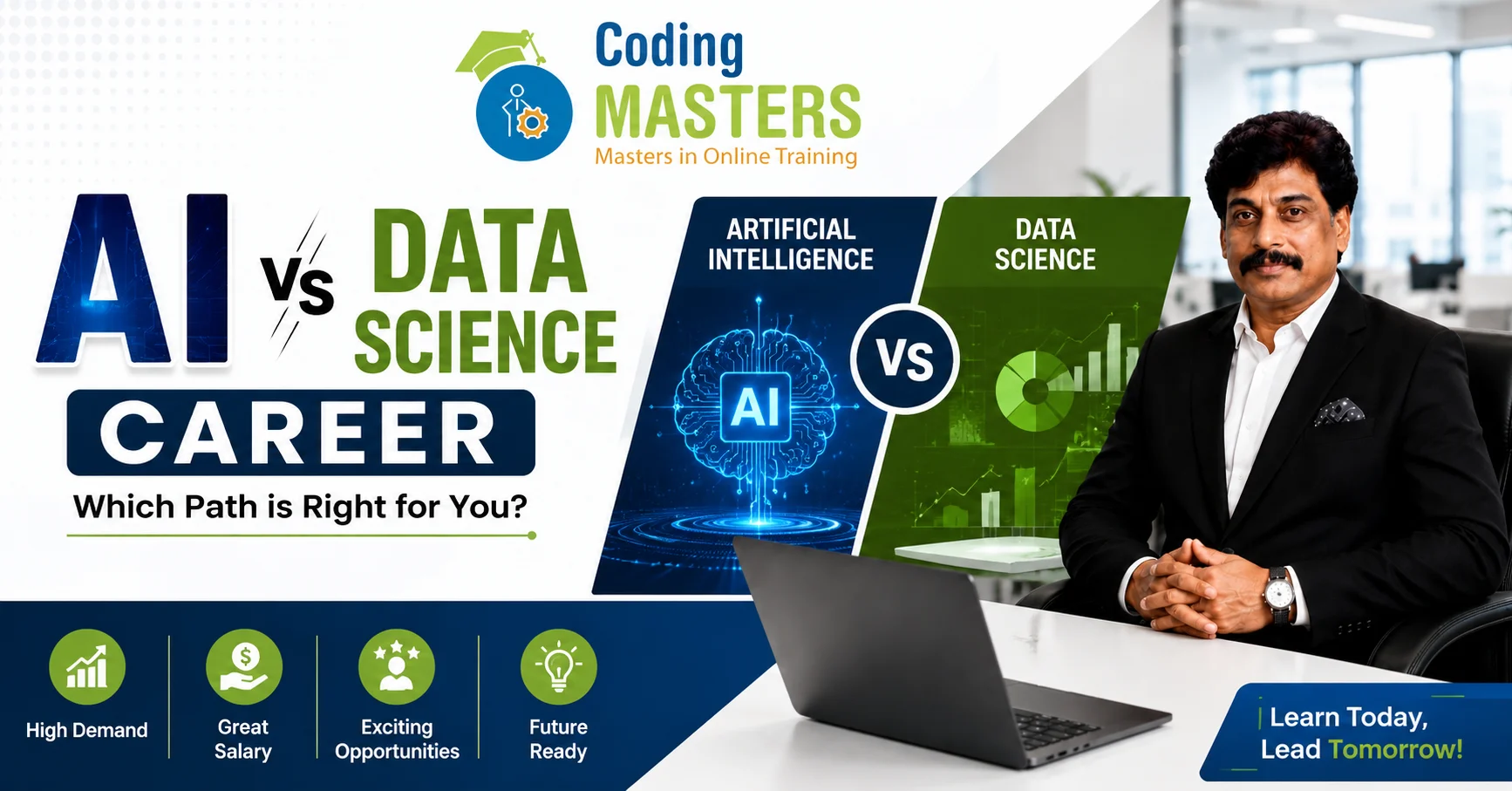
Artificial intelligence and data science are the two most sought-after career choices in today’s digital world. Though both fall under popular digital professional tracks, their core objectives are entirely distinct: artificial intelligence focuses on developing autonomous decision-making systems that can simulate human intelligence, while data science centers on extracting actionable business insights from massive volumes of data. Both fields require practitioners to master core capabilities in programming and statistical analysis, and both hold prominent advantages in the job market, namely high salary levels and large talent gaps. When selecting a career path, individuals can align their direction with their personal preference, whether they prefer researching and developing intelligent systems, or completing the value conversion of data. Both fields boast broad long-term career development prospects.
What Is the Difference Between AI and Data Science?
Artificial intelligence (AI) and data science are closely linked yet hold distinct positioning: the core of data science lies in collecting, processing, and analyzing data to produce insights that support business decision-making, and it often adopts AI technologies; AI, meanwhile, develops autonomous intelligent systems that operate without continuous human intervention, capable of independent thinking, prediction, and decision-making. Both fields demand competencies in programming, mathematics, and problem-solving, and boast prominent career value.
Career Opportunities in AI vs Data Science
Artificial intelligence and data science can provide practitioners with high-quality career opportunities across multiple industries. The data science field has 4 types of specialized roles, and the AI field has 6 specific job positions. Currently, 7 real-economy industries are actively recruiting talent from both of these fields, and global digital transformation is driving a continuous rise in demand for such talent.
Which Career Is Better: AI or Data Science?
For individuals seeking to pursue a career in data science or artificial intelligence, the core principle is to align their career choice with their personal interests and long-term goals: those who enjoy working with data, statistics, visualization, and business insights may choose a career in data science, while those who prefer fields such as machine learning and neural networks may enter the artificial intelligence field. Both types of careers offer generous salaries, stable employment, and abundant learning opportunities. Mastering foundational skills including Python, SQL, and mathematics is sufficient to successfully start a career in these fields.
Skills Required for an AI Career
The essential requirements for AI practitioners that we have sorted out are as follows: master professional knowledge including programming, machine learning, deep learning, and mathematical algorithms; be familiar with commonly used AI tools such as Python and TensorFlow; develop intelligent applications by leveraging problem-solving capabilities and knowledge of data structures. Hyderabad’s AI industry iterates rapidly, so practitioners must maintain the core awareness of continuous learning.
Skills Required for a Data Science Career
Data science practitioners must master core hard skills including data analysis, statistics, SQL, and Python. They need to make effective use of high-value tools such as Pandas and Tableau to process large datasets and generate business insights, and they must also possess the communication skills required to effectively present their work outcomes.
Salary Comparison: AI vs Data Science
Practitioners in artificial intelligence and data science all earn competitive salaries due to strong industry demand; core AI roles, which require specialized skills, command even higher pay, the salaries of data scientists grow alongside their work experience, and the compensation of all these positions is also affected by factors such as geographic location.
How to Choose Between AI and Data Science
For those planning to enter the technology industry, the core basis for choosing between artificial intelligence and data science must be your personal interests and career goals: if you enjoy analyzing data to support business decisions, you may choose data science; if you are passionate about developing intelligent systems, you may choose artificial intelligence. Both career paths require you to master Python, mathematics, and the core principles of machine learning.
Codingmasters-Data Science Online Training Hyderabad
Flat No: 303, Bhavya Krishna Residency, Siddartha Degree College, OPP:, Ameerpet Rd, Kumar Basti, Nagarjuna Nagar colony, Yella Reddy Guda, Hyderabad, Telangana 500073