

Even if you are a newly graduated student with no relevant prior experience, you can fully master data science as long as you have access to proper guidance and engage in consistent practice. This discipline is accessible to learners from all educational backgrounds, with no professional threshold or restrictive entry requirements. We will break down tiered learning content that progresses from foundational introductory knowledge to advanced skill enhancement, offer actionable accelerated learning plans, clarify the core requirements to enter the field, and help you smoothly launch your professional career path in data science.
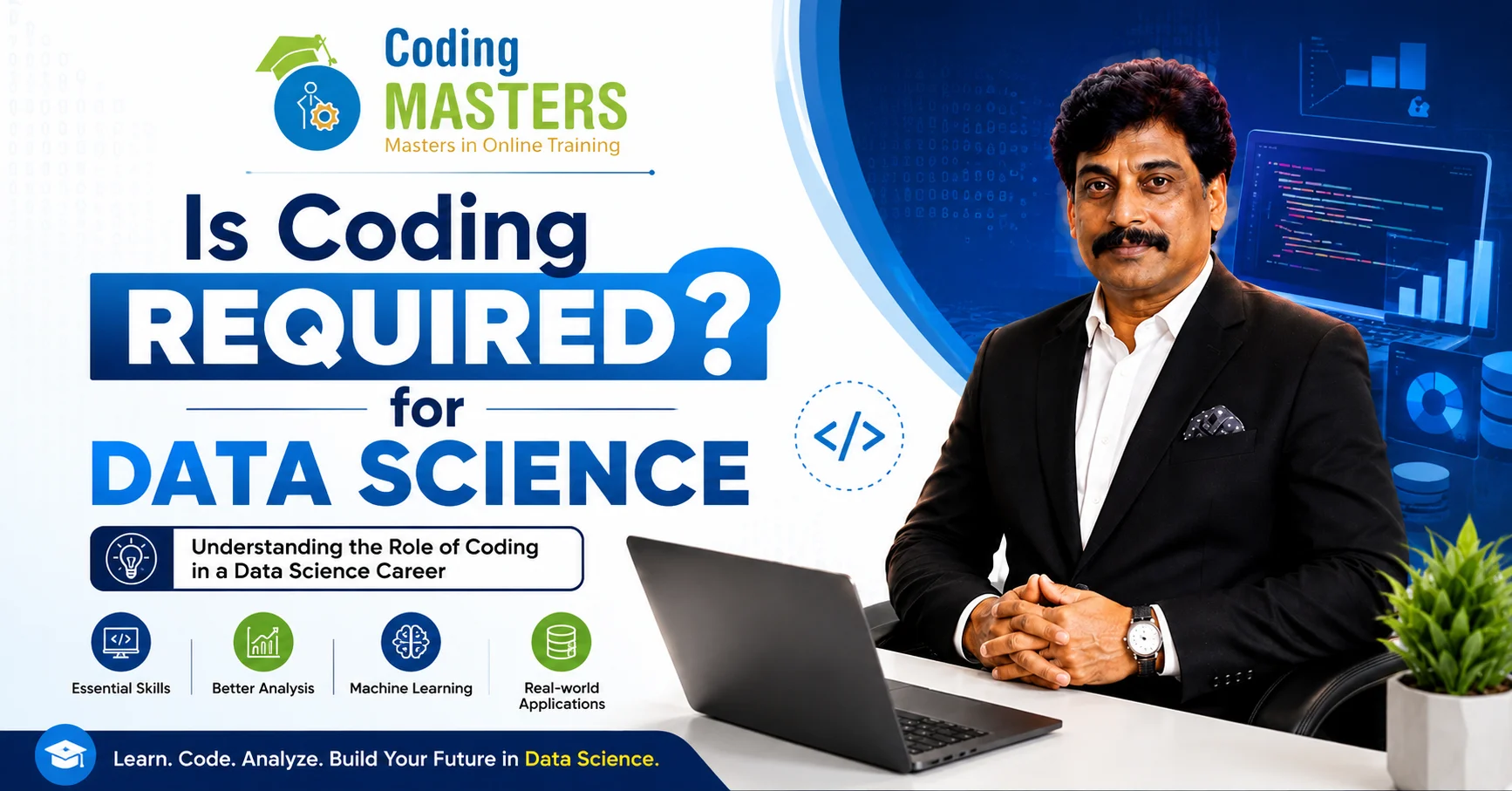
As an entry guide for new graduates seeking to build a career in data science in Hyderabad, I first state this clearly: as long as you adopt the right learning approach and maintain consistent effort, you can fully master data science skills and build a successful career. Data science is one of the most beginner-friendly technology fields, and most training programs start from a fundamental level. Learners first master core foundational skills including Python, SQL, statistics, Excel, and Power BI/Tableau, then progress to advanced studies in machine learning and data analysis. They also need to practice actively with datasets, build a professional portfolio, and take part in internships or hackathons. Structured courses that include supporting resources such as expert mentorship and mock interviews can improve job search outcomes. Upon completing all required training, learners can apply for positions including data analyst, data scientist, and AI machine learning specialist.
Why Coding Is Important in Data Science
Coding is a core foundational capability for data science practitioners, as it enables the completion of all core tasks across the full workflow of data collection, cleaning, analysis, and visualization. Mainstream programming tools Python and R can be used to build machine learning models, automate repetitive tasks, and process large datasets. While modern low-code tools have lowered the barrier to entry for programming work, the flexibility, precision, and professional opportunities tied to native programming remain irreplaceable. Mastering basic programming skills can simplify complex tasks and improve one’s ability to solve problems.
Can You Learn Data Science Without Coding?
In response to the introductory questions about data science raised by individuals with no prior foundational knowledge, this paper proposes that learners can start their learning journey using no-code drag-and-drop platforms to grasp core concepts such as data analysis. As their learning deepens, the value of programming becomes increasingly prominent, and mastering programming well can substantially improve one’s career prospects and technical capabilities.
Programming Skills Every Data Scientist Should Know
For groups of individuals aspiring to become data scientists, the first step to entering the field is to master Python, the core general-purpose programming language universally used across the domain. Next, they must learn SQL for database management and R, which is suited for statistical research. They also need to master the Python libraries Pandas, NumPy, Matplotlib, and Scikit-learn. Mastering all of these will lay a solid foundation for solving real-world business data problems.
Which Programming Languages Are Best for Data Science?
There are three core programming tools at the heart of the data science field: Python is the most widely used language in this field. With its simplicity, general applicability, and rich library resources, it fits use cases including data analysis and machine learning; R excels at statistical computing and visualization, and is mostly adopted in scientific research; SQL is responsible for retrieving and managing databases. It is recommended that beginners prioritize learning Python and SQL first, as these two tools see strong demand across all industries, and form the core foundation of most data projects.
How Much Coding Does a Beginner Need to Learn?
Many novices who want to enter the data science field mistakenly believe they must first become professional programmers to get started. In fact, one only needs to first master variables, loops, functions, and basic data structures to begin data analysis work and build simple models, and can learn advanced content later on. Consistently completing small coding projects is the optimal method to improve programming skills and build confidence in the field.
Can No-Code Tools Replace Programming in Data Science?
No-code and low-code platforms help beginners and business users who aim to complete basic data analysis and build machine learning models lower their entry barrier via visual interfaces. However, these platforms cannot replace programming for scenarios that require processing complex datasets, developing custom algorithms, or implementing large-scale machine learning. Professionals proficient in coding gain three core advantages: flexibility, problem-solving capacity, and access to high-end career opportunities.
Tips to Learn Coding Faster for Data Science Careers
The efficient learning guide for developed by the author of this paper centers on a core framework of regular practice combined with real-world projects. Learners first study Python fundamentals before mastering the four major mainstream data science libraries, with additional support from hands-on practice exercises, online courses, and peer collaboration. The guide ultimately helps learners prepare for and transition into professional careers in the data science field.
Codingmasters-Data Science Online Training Hyderabad
Flat No: 303, Bhavya Krishna Residency, Siddartha Degree College, OPP:, Ameerpet Rd, Kumar Basti, Nagarjuna Nagar colony, Yella Reddy Guda, Hyderabad, Telangana 500073